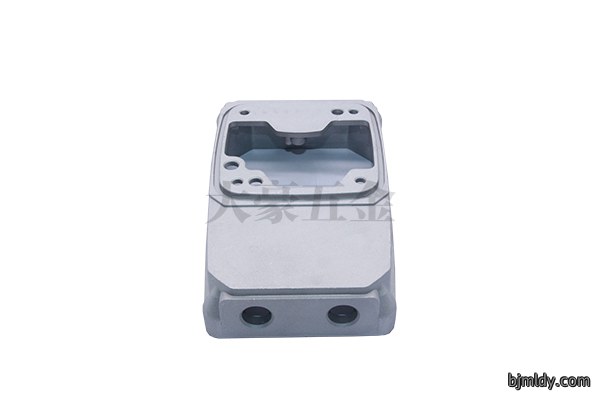
Die casting represents a specialized metal casting methodology that operates through the application of considerable hydraulic or pneumatic pressure directed at liquefied metal contained within precision mold cavities, distinguishing it from conventional gravity-based casting approaches. The mold structures themselves are typically fabricated from high-strength alloy materials subjected to precision machining processes that bear functional similarities to injection molding procedures, though adapted specifically for the demands of molten metal processing and repeated thermal cycling.
The utility model pertains to a mounting base assembly designed specifically for electrical control boxes, representing an important component within industrial automation and electrical distribution infrastructure applications. This innovative mounting solution is characterized by a sophisticated structural framework that comprises a U-shaped plate body featuring a distinctive cross-sectional geometry. The primary functional surface of this plate body incorporates symmetrically positioned rectangular through holes arranged on both lateral sides, with the central axis of these apertures oriented at a precisely calculated 90-degree angular relationship to facilitate optimized spatial configuration. The rectangular plate body achieves sliding connectivity with these through holes through a mechanical interface system, whereby the lower surface of the rectangular plate body is equipped with a vertically oriented rectangular protrusion or bulge feature that maintains sliding contact with the through hole structure, thereby enabling controlled translational movement along the intended axis.
Die casting is a metal casting process characterized by the use of a mold cavity to apply high pressure to melted metal. Molds are usually machined with higher strength alloys, in a process somewhat similar to injection molding. Most die casting castings are iron-free, such as zinc, copper, aluminum, magnesium, lead, tin, and lead-tin alloys and their alloys. Depending on the type of die casting, either a cold chamber die casting machine or a hot chamber die casting machine is required.
This utility model pertains to a specialized mounting base designed for electrical control box installation within industrial infrastructure systems. The structural innovation introduces a U-shaped plate body featuring a distinctive cross-sectional geometry that addresses specific spatial constraints encountered in standard electrical enclosure mounting applications. The principal design element comprises a main surface configured with symmetrical rectangular through holes positioned on both opposing sides, with the central axis of these apertures oriented at a 90-degree perpendicular angle to accommodate variable installation orientations. This orthogonal arrangement proves particularly advantageous in manufacturing environments where equipment must align with existing framework structures operating at different planes. The rectangular through hole receives a sliding-connected rectangular plate body mechanism, which enables horizontal or vertical adjustment depending on mounting requirements and available installation space.