13706184288

Wuxi Dahao Hardware manufacturing Co., LTDTel: 13706184288(Mr. Hua) Fax: 0510-88731371 Mail box: [email protected] # Expanded Rewrite (84-105 characters) Located at Huangjiaba in Yanjiaqiao Village within Yangjian Town,  |
What is the development prospect of die casting aluminum alloy industry?Issuing time:2024-07-19 15:52
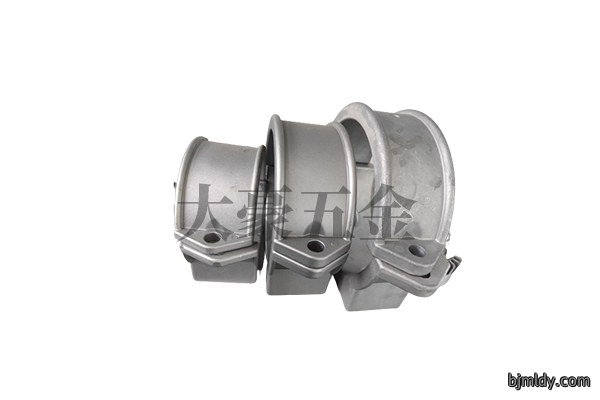
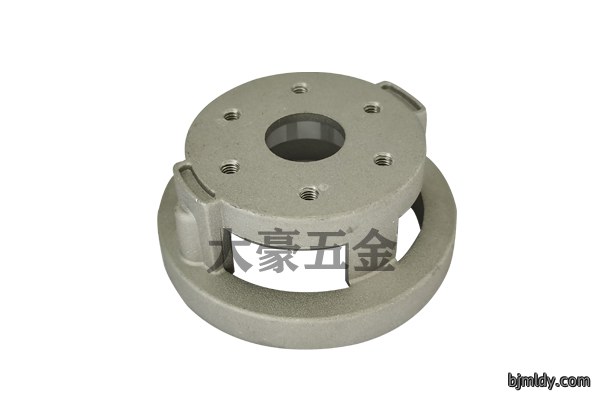
Today, Wuxi Dahao Hardware, a die casting aluminum alloy manufacturer, will introduce die casting aluminum alloy. The development prospects of the die-casting aluminum alloy industry show a positive trend, which is mainly due to a number of factors. First of all, from the perspective of market demand, with the increasingly serious global energy crisis and environmental pollution problems, the rapid development of new energy vehicles, aerospace, electronics and other industries, the demand for lightweight, high-performance materials continues to increase. As a mature lightweight material, aluminum alloy has the advantages of low density, high strength, good corrosion resistance and high recycling rate, so it has been widely used in these fields. In particular, with the rise of new energy vehicles, the demand for aluminum alloy die-casting parts has increased significantly, which has promoted the rapid development of the die-casting aluminum alloy industry.
Secondly, when examined through the lens of technological progress and industrial upgrading, the die-casting aluminum alloy sector finds itself navigating toward trajectories defined by refinement, customization, high-tech application, and green environmental protection standards. The manufacturing paradigm within this space increasingly incorporates digital technology platforms alongside Internet of Things infrastructure to enable automated production workflows, which serve the dual purpose of elevating production efficiency metrics while simultaneously raising quality benchmarks across finished components. Policy frameworks at national and regional levels function as critical catalysts for die-cast aluminum alloy sector expansion, operating in tandem with evolving market requirements that shape manufacturing trajectories. Government initiatives targeting new energy vehicle proliferation establish regulatory environments and financial mechanisms—including subsidies, tax incentives, and procurement preferences—that directly stimulate demand for lightweight casting solutions essential to electric vehicle powertrains, battery housings, and thermal management systems. The trajectory of the die-casting aluminum alloy sector reveals considerable expansion potential across multiple industrial applications and geographic markets. Within manufacturing ecosystems spanning automotive components, consumer electronics housings, telecommunications infrastructure, and industrial machinery, die-cast aluminum alloys serve as critical materials due to their favorable strength-to-weight ratios, thermal conductivity properties, and dimensional precision capabilities. However, stakeholders within this supply chain must simultaneously acknowledge that competitive pressures continue to intensify as regional manufacturers scale production capacity, new entrants establish facilities, and established players consolidate market share through strategic acquisitions and technology licensing agreements.
|