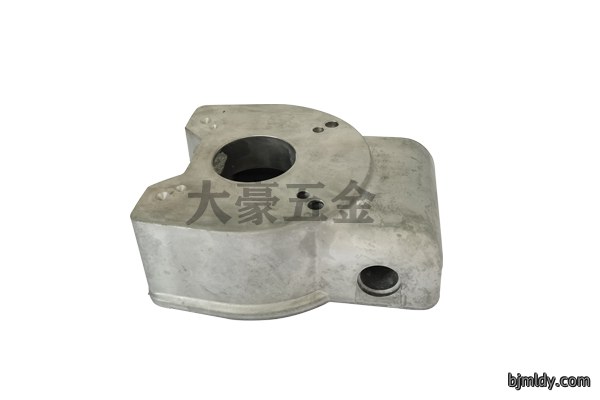
A sheet structure surrounded by two inner and outer surfaces, the thickness t is much less than the small curvature radius R of the middle surface and the size of the surface, is the general name of thin shell and medium thick shell. At present, there are mainly the following categories on the market, plastic shell, aluminum shell, sheet metal shell, stainless steel shell and so on. Thin shell refers to the shell with t/R less than 0.05.
The shell resists the external load mainly by the medium plane stress distributed uniformly along the thickness, rather than by the bending stress varying along the thickness. This internal force characteristic of the shell makes it more fully use the strength of the material than the plate, so that it has greater bearing capacity. In hydraulic engineering, shell is widely used, such as double curved flat shell gate, arch dam, etc.
Shell theory, situated within the broader discipline of applied elasticity mechanics, represents a specialized analytical framework that extends beyond the foundational assumptions governing classical elasticity by incorporating additional mechanical hypotheses tailored to structural geometries characterized by
The medium thick shell theory is an extension of the thin shell theory. It further considers the effect of shear deformation on the basis of thin shell theory. The theory of sandwich shell, which is widely used, is similar to the theory of sandwich plate in medium and thick plate in terms of its mechanical model. The solution of medium-thick shells is much more complicated than that of thin shells. The theory of medium thick shell is mainly applied in aerospace and navigation engineering, but rarely applied in water conservancy engineering.